Find Texas Schools and Independent School Districts

SPECIAL EDUCATION

Special Education is a general term used to describe the law’s requirement of specially designed curriculum for children with disabilities. These services are provided by public schools and are free of charge.

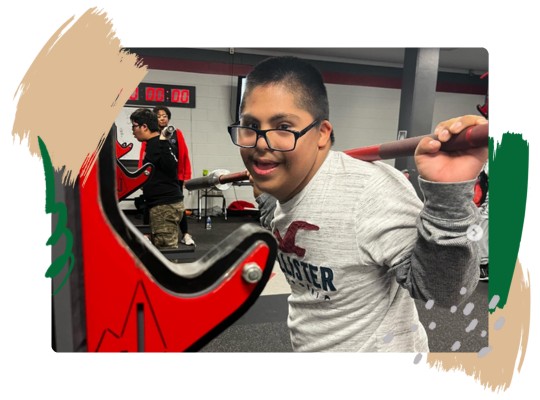
A member of the Judson ISD Special Olympics team lifts weights.

A member of the Judson ISD Special Olympics team lifts weights.

Special Education Services

Texas public schools are committed to providing inclusive, high-quality special education services that meet the unique needs of every student. Whether a child has a learning disability, autism spectrum disorder, ADHD, or another need, public schools across Texas offer tailored instruction, accommodations, and support systems to help them succeed in both academics and life.

Parents can take crucial steps to support their child’s unique needs, recognize signs that may indicate the need for specialized assistance, and understand the qualifications necessary to receive special education services.

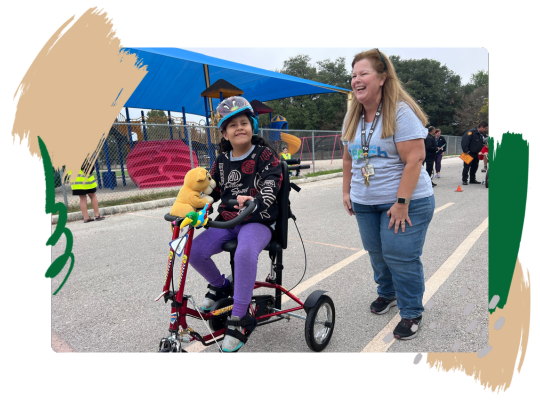
An NEISD student uses an adaptive PE bike.

An NEISD student uses an adaptive PE bike.

First Steps to Support Your Child's Special Needs

If you are concerned about your child (age 2 years 9 months – 20 years) falling behind their peers or if your child’s doctor suggests special needs school services, take action.

  • Anyone can request an evaluation, but parent or guardian consent is required.
  • The request must be in writing and sent to the school principal or special education director.

  • If your child isn’t enrolled yet, contact your local school district to find your assigned campus.

Need help getting started?

Special Education Referral Quick Guide

Recognizing Potential Signs of Special Needs in Children

  • Trouble focusing or following directions
  • Impulsive behavior

  • Speech delays or unclear speech

  • Difficulty with social situations or changes

  • Inconsistent school performance

Learn more from SPEDTEX, a helpful resource for understanding signs, services, and support for your child.

Qualifications for Special Education in Public Schools

  • Disability Requirement: The student must have a disability as defined by the Individuals with Disabilities Education Act (IDEA).
  • Need for Special Education Services: The disability must necessitate special education services to enable the student to benefit from education.

Texas public schools provide a range of services tailored to each student’s needs—such as speech therapy, occupational therapy, counseling, academic support, assistive technology, and classroom accommodations.

Many students receive these supports while staying in general education classrooms, helping them succeed both academically and socially.

To see the full list of services available, view the TEA’s Related Services Q&A (PDF)

If your child qualifies for special education, they’ll receive an Individualized Education Program (IEP)—a personalized learning plan that outlines goals, services, and accommodations tailored to their needs. This is required under federal law (IDEA) to ensure every student has the opportunity to succeed.

In Texas, schools hold ARD meetings (Admission, Review, and Dismissal) to create and review the IEP with families and staff.

IEPs don’t just support academics—they help students gain confidence, develop important life skills, and feel a true sense of belonging. With personalized goals, the right tools, and consistent support, students can thrive in inclusive classrooms and grow both academically and emotionally.

Understanding Neurodiversity and Autism Support

Neurodiversity recognizes that people experience and interact with the world differently—and that these differences are not deficits. Students with autism and other learning differences often bring unique strengths like creativity, problem-solving, attention to detail, and specialized skills in areas like music or math.

Under the Individuals with Disabilities Education Act (IDEA), students with disabilities are entitled to a Free Appropriate Public Education (FAPE) tailored to their needs through an Individualized Education Program (IEP). In Texas, public schools support over 70,000 students with autism each year using research-based strategies outlined in the state’s Autism Supplement.

Inclusive classrooms benefit all students—fostering acceptance, boosting confidence, and helping every learner thrive both academically and socially.

Special Education FAQ

What is special education?

Special education is specially designed instruction and related services provided to students with disabilities at no cost in public schools. These services help students access and benefit from their education.

Who qualifies for special education services?

A student may qualify if they:

  • Have a disability recognized under federal law
  • Need specialized instruction to learn

Eligibility is determined through a formal evaluation conducted by the school.

What types of disabilities are supported?

Public schools support students with a variety of needs, including:

  • Learning disabilities
  • Autism
  • ADHD
  • Speech or language delays
  • Social, emotional, or behavioral needs

Each child is evaluated individually to determine their needs.

What services are available through special education?

Services are individualized and may include:

  • Speech therapy
  • Occupational therapy
  • Counseling
  • Academic support
  • Assistive technology
  • Classroom accommodations

How can I tell if my child may need special education?

You may consider an evaluation if your child:

  • Has difficulty learning or keeping up in school
  • Struggles with communication or social skills
  • Has trouble focusing or following directions

How do I request a special education evaluation?

To request an evaluation:

  1. Submit a written request to your child’s school
  2. Provide parental consent
  3. Participate in the evaluation process

The school will review data and determine eligibility based on results.

What is an IEP (Individualized Education Program)?

An IEP is a personalized plan created for each student who qualifies for special education. It includes:

  • Learning goals
  • Services and supports
  • Accommodations and modifications
  • Progress monitoring

The IEP is developed by a team that includes parents, teachers, and specialists.

What is an ARD meeting?

In Texas, an ARD (Admission, Review, and Dismissal) meeting is where school staff and families:

  • Develop the IEP
  • Review student progress
  • Make decisions about services

Are special education services free in public schools?

Yes. Special education services are provided at no cost to families in Texas public schools.

Public schools provide a range of services to support both academic and developmental growth.

Can my child be in general education and special education at the same time?

Yes. Many students receive special education services while participating in general education classes. This allows students to access grade-level curriculum with additional support.

What role do parents play in special education?

Parents play an important role in the special education process and are involved in decisions about their child’s evaluation, services, and support.

How do public schools support students with special needs overall?

Texas public schools provide a range of services to support students’ academic and developmental needs, helping them succeed in school and beyond.


Program Spotlight: Special Education

Here’s a quick video of what students learn in Special Education Programs. Traditional public schools provide many different types of special education services.

Special Education News

This is a Member Benefit

If you want to take advantage of this benefit or learn more about how a membership can help your organization please click the button below.